Magnetic Contactors & Relays
Ensure the reliability and efficiency of your electrical systems with our high-performance electrical contactors. Engineered for frequent switching of high-current loads, these devices are the cornerstone of motor control, lighting, and heating applications. Designed for durability and precision, our contactors provide the dependable performance required in demanding industrial and commercial environments throughout the Klang Valley.
By integrating a superior magnetic contactor, you safeguard your valuable equipment from electrical faults and ensure smooth, automated operation. This essential component simplifies complex circuits, reduces manual intervention, and enhances overall system safety. As a trusted electrical components supplier in Malaysia, we provide solutions that deliver consistent performance, minimize downtime, and empower your operations to run seamlessly. Choose a contactor built for longevity and operational excellence.
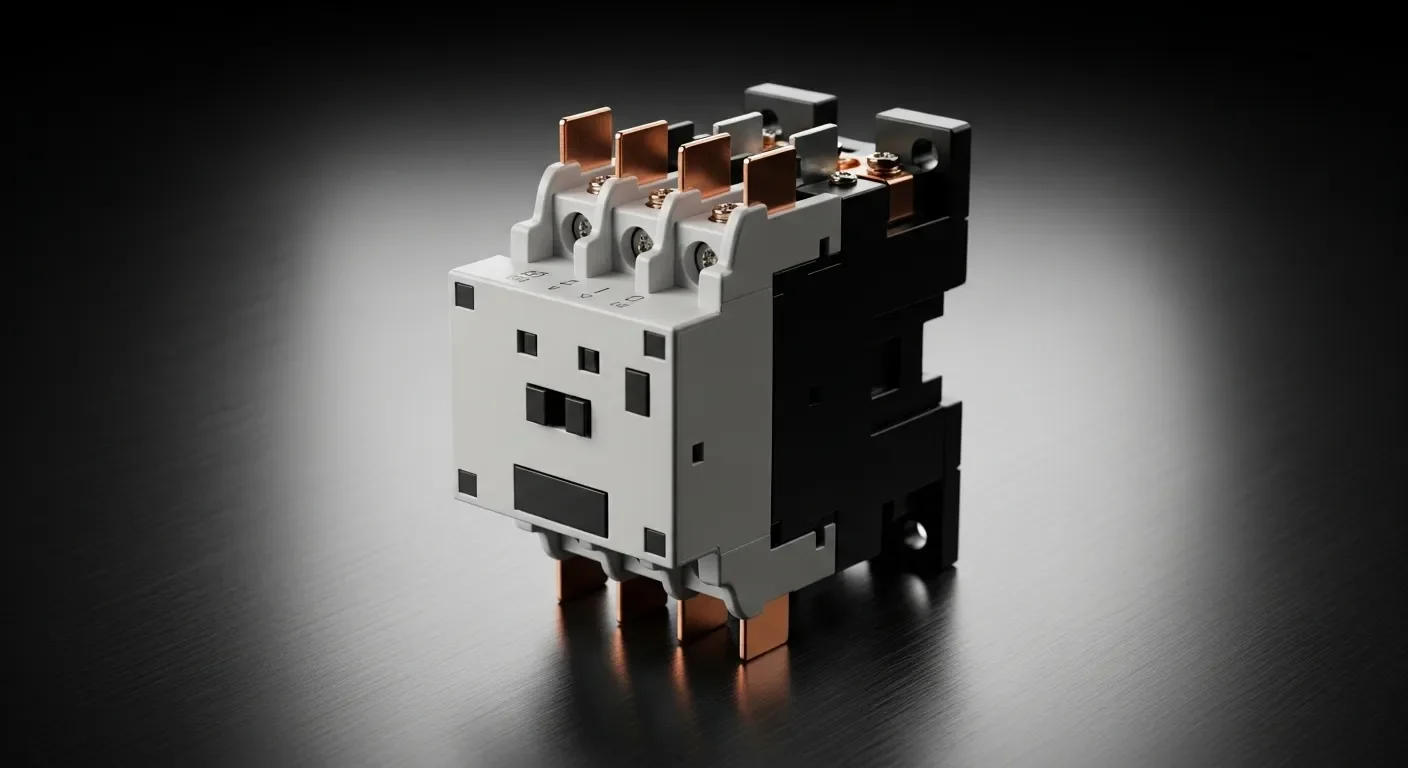
An electrical contactor is a specialized relay designed for the critical task of switching high-power electrical circuits. It functions as an essential automated switch, enabling the safe remote control of large electrical loads like motors, lighting banks, and heating elements. This is achieved via a low-power signal that activates an electromagnet, which in turn closes or opens the main power circuit. For any professional in Petaling Jaya and beyond involved in industrial electrical supplies, understanding the contactor’s role is fundamental to designing safe, efficient, and reliable systems.
Key Benefits of an Electrical Contactor:
- Enhanced Operational Safety
Contactors allow high-power circuits to be controlled remotely with a much lower, safer voltage. This isolates the operator from potentially hazardous high currents, significantly reducing the risk of electrical accidents. - Automation and Remote Control
They are the building blocks of automation, enabling electrical loads to be switched on and off by control systems, timers, or sensors. This functionality is crucial for automating industrial processes and improving operational efficiency. - Protection for Electrical Motors
When paired with an overload relay, a contactor functions as a motor starter, protecting expensive motors from overcurrent damage. This combination ensures a longer lifespan for your equipment and prevents costly operational interruptions. - High Switching Capacity
Engineered to handle frequent and rapid switching cycles, these devices can manage high-current loads without significant wear and tear. Their robust construction guarantees reliable performance even in the most demanding applications. - Compact and Efficient Design
Modern contactors are designed to be space-efficient, allowing for neat and organized installations within control panels. This compact footprint is essential for complex systems where panel space is at a premium.
Practical Use Cases:
- Electric Motor Control
The most common application is starting and stopping three-phase and single-phase motors in machinery, pumps, and conveyor systems. The contactor reliably handles the high inrush currents typical of motor startup. - Industrial and Commercial Lighting
They are used to control large banks of lighting fixtures in warehouses, factories, and commercial buildings. This allows for centralized and often automated control of lighting to save energy. - Heating and HVAC Systems
Contactors are essential for switching the high-power heating elements found in industrial furnaces, ovens, and large-scale HVAC systems. They provide precise and safe control over temperature regulation processes. - Capacitor Banks
In industrial settings, contactors are used to switch capacitor banks for power factor correction. This helps improve the overall efficiency of the electrical system and reduce energy costs.
Automated Transfer Switches (ATS)
They are a key component in transfer switches that automatically shift the power source from the main grid to a backup generator during an outage. This ensures a continuous power supply for critical operations.