Isolator Switches
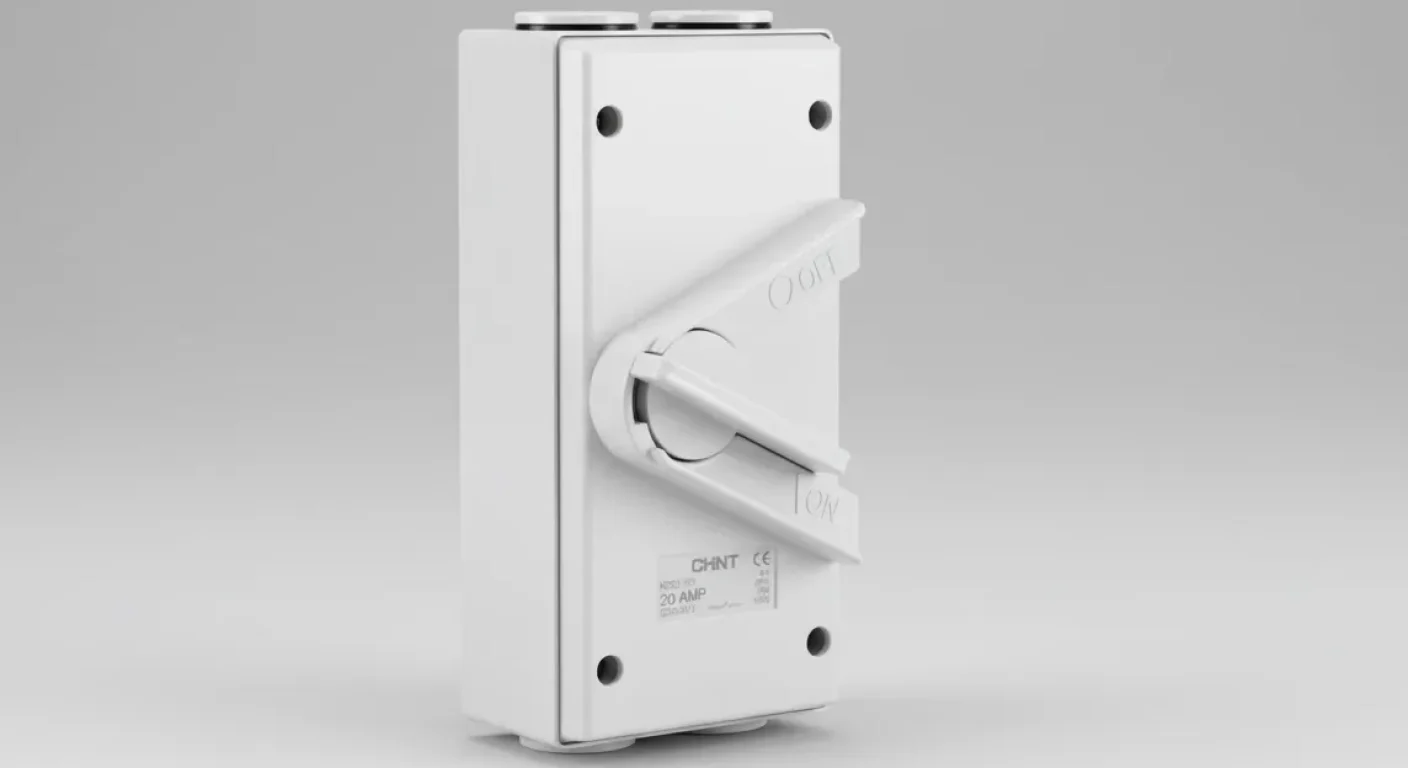
Ensure the absolute safety of your electrical circuits with a high-quality isolator switch. As a fundamental component for any electrical system, this device provides a vital, visible point of disconnection, guaranteeing that a circuit is completely de-energized before any maintenance or repair work begins. This essential safety measure protects personnel from electrical shock and equipment from damage, making it a non-negotiable part of any compliant installation.
Designed for reliability and durability, our range of isolator switches is engineered to perform flawlessly in demanding industrial and commercial environments across the Klang Valley. Whether you’re an electrical contractor managing a large-scale project or a facility manager ensuring workplace safety, this switch offers the peace of mind that comes from having complete control over your electrical power. It is the critical first step in any safe isolation procedure, empowering you to work with confidence.
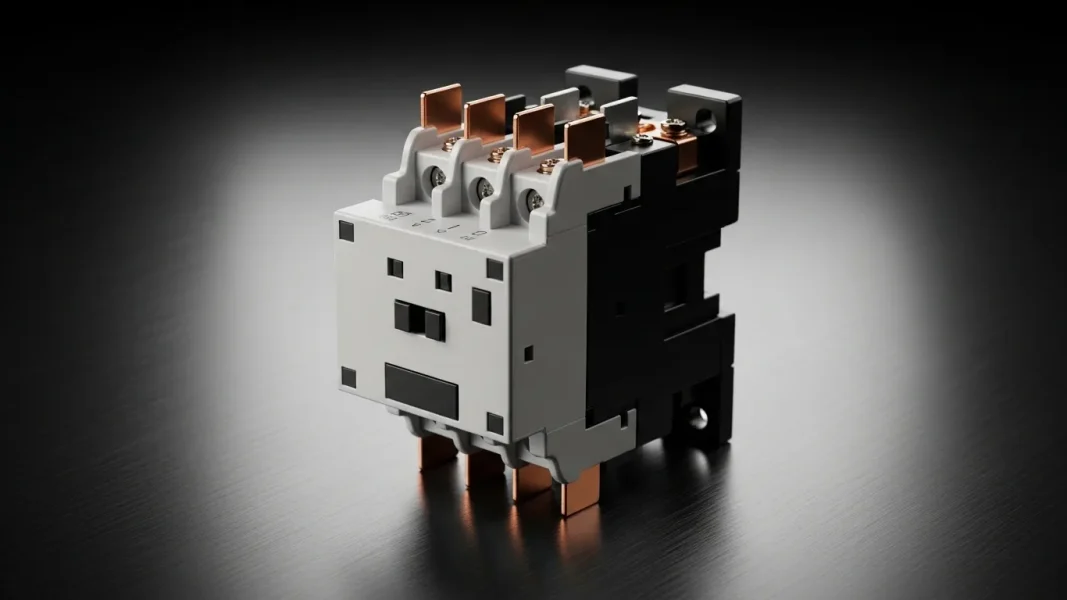
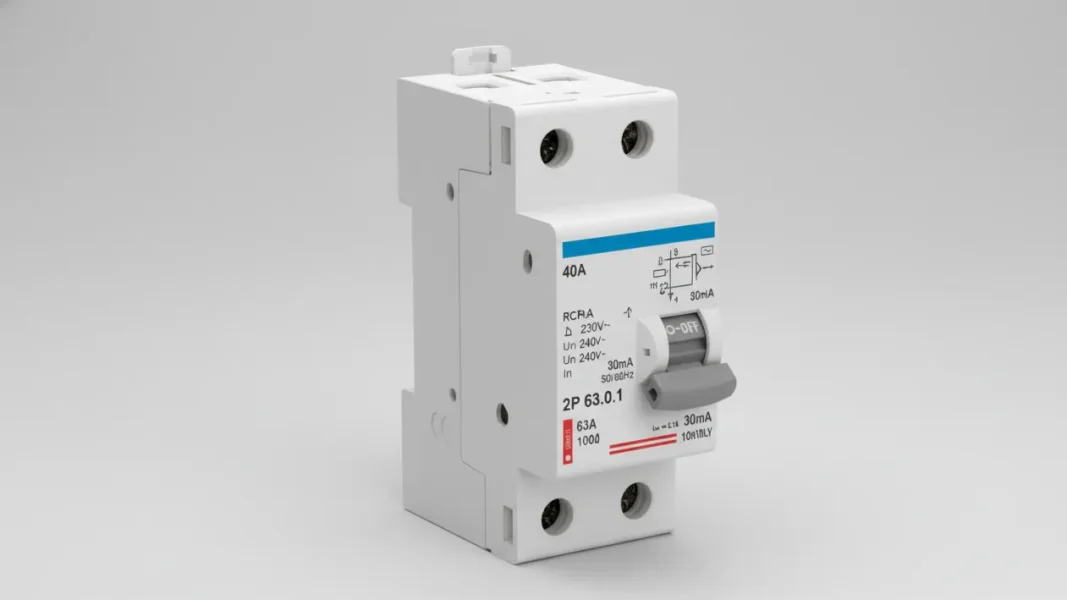
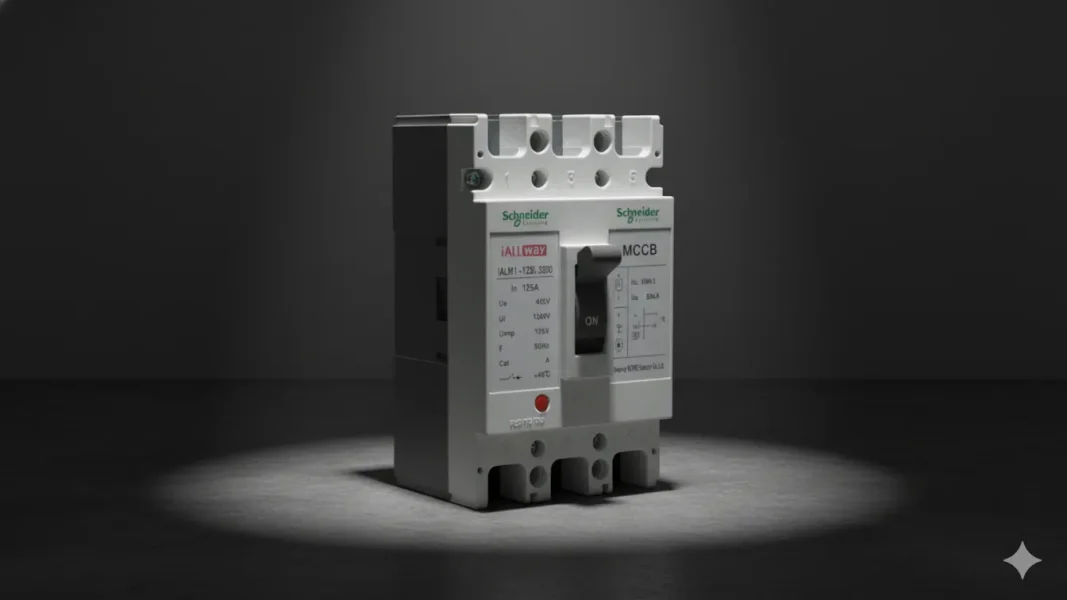
An isolator switch, also known as an electrical disconnector or main switch isolator, is a crucial safety device designed to securely disconnect a circuit from the power source. Unlike a circuit breaker, its primary function is not to interrupt fault currents but to provide a clear, positive break in the circuit for inspection, maintenance, or repair. This ensures the isolated section is safely de-energized, preventing accidental startup and protecting technicians. As a reliable electrical supplier for contractors, we understand the critical role these components play in creating a safe and efficient working environment for any project.
Key Benefits of an Isolator Switch:
- Enhanced Personnel Safety
The most critical benefit is the protection of individuals working on electrical equipment. By providing a visible and lockable point of isolation, it prevents accidental re-energization of the circuit. - Essential for Maintenance Operations
This switch allows maintenance crews to safely work on machinery and electrical panels without the risk of electric shock. It is a fundamental requirement for any ‘Lockout-Tagout’ (LOTO) safety procedure. - Prevents Equipment Damage
Isolating circuits during non-operational hours or before servicing prevents potential damage from power surges or unexpected startups. This prolongs the lifespan of your valuable machinery and electrical components. - Reliable Performance in Industrial Settings
Built to withstand harsh conditions, these safety switches are constructed from durable materials. They are designed for frequent use in industrial environments found throughout Petaling Jaya and Malaysia. - Compliance with Safety Standards
Installing a certified isolator switch ensures your electrical installations comply with national and international safety regulations. This is essential for passing inspections and maintaining a safe operational record.
Practical Use Cases:
- Industrial Machinery and Motor Control
It is used to isolate individual machines or motors from the main power supply. This allows for safe setup, cleaning, jam clearing, and routine maintenance without shutting down the entire facility. - Main Switchboard and Distribution Panels
Installed as the main switch isolator in distribution boards, it allows for the complete disconnection of power to the entire panel. This is necessary for any work or upgrades on the internal busbars and circuits. - HVAC System Maintenance
Technicians use these switches to de-energize air conditioning units, fans, and heating elements. This ensures their safety while they perform cleaning, repairs, or component replacements. - Renewable Energy Systems
In solar panel and inverter installations, an isolator is essential for safely disconnecting the DC power from the panels. This allows for safe servicing of the inverter and other system components.
Commercial Building Electrical Systems
They are used to isolate specific circuits within commercial buildings, such as lighting, power outlets, or dedicated equipment lines. This allows for targeted maintenance without disrupting the entire building’s operations.